Local pickup is available for most plants and trees. Limited shipping may be available for select persimmon trees, liners, and smaller plants. Shipping charges are calculated separately and may vary based on plant size, quantity, destination, and packaging requirements. Please contact us before ordering if shipping is required so we can confirm availability and provide the shipping cost.

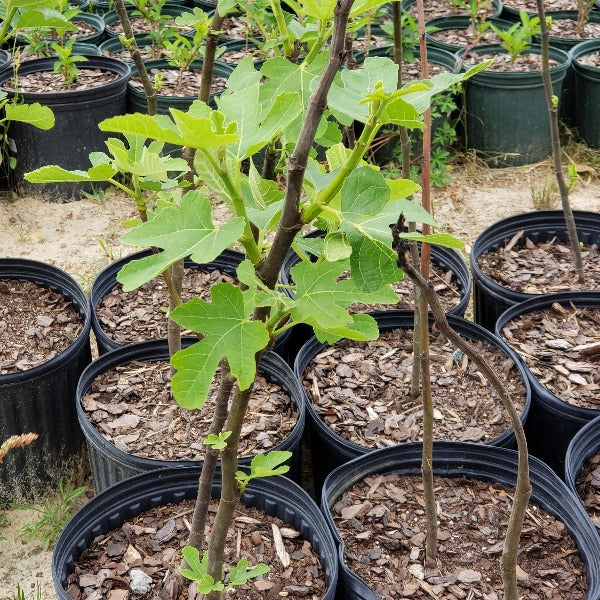
LSU Purple Fig Tree

Advanced Nursery Growers

$29.00

2 items left

Buy LSU Purple Fig Tree plants for sale at Advanced Nursery Growers in DeFuniak Springs, Florida. Developed through the Louisiana State University fig breeding program, LSU Purple is a productive Southern variety selected for warm, humid Gulf Coast growing conditions.

LSU Purple produces attractive medium-sized figs with glossy reddish-purple to dark purple skin. Inside, the fruit has soft, light strawberry-colored flesh with a pleasantly sweet, rich flavor. The figs are delicious eaten fresh from the tree and can also be used for preserves, jam, baking, desserts, drying, and freezing.

One of LSU Purple’s most appealing qualities is its ability to begin producing fruit while still relatively young. While many fig varieties take several years to settle into regular production, LSU Purple may produce a small crop within its first few growing seasons. Fruit quality and production generally improve as the tree becomes older and better established.

The tree develops large, deeply lobed green leaves and a vigorous, naturally spreading growth habit. It may be trained as a small tree or allowed to form a broad, multi-stemmed shrub. Selective pruning can help maintain a convenient size for backyard growing and harvesting.

LSU Purple Fig is self-fruitful and does not require another fig variety for pollination. A single established tree can produce fruit on its own.

Recommended for the Gulf Coast region, LSU Purple is well suited to North Florida, the Florida Panhandle, South Alabama, Louisiana, and other warm Southern climates. Plant it in full sun with fertile, well-drained soil and provide dependable moisture while the fruit is developing.

Plant Details

  • Plant Type: Deciduous edible fruit tree or large shrub
  • Botanical Name: Ficus carica ‘LSU Purple’
  • Common Names: LSU Purple Fig, LSU Fig
  • Mature Size: Approximately 8–12 feet tall and wide; may be maintained smaller with pruning
  • Growth Habit: Vigorous, spreading, and often multi-stemmed
  • Sun: Full sun; at least 6–8 hours of direct sunlight is best
  • USDA Zones: Generally Zones 7–10
  • Chill Requirement: Low chill
  • Harvest Season: Generally summer into early fall, depending on climate and growing conditions
  • Fruit Size: Medium
  • Fruit Color: Glossy reddish-purple to dark purple
  • Flesh Color: Light strawberry to reddish-pink
  • Flavor: Sweet, rich, and mild
  • Fruit Uses: Fresh eating, preserves, jam, baking, desserts, drying, and freezing
  • Pollination: Self-fruitful; only one tree is required to produce fruit
  • Bearing Age: May begin producing small crops while relatively young
  • Soil: Fertile, well-drained soil enriched with organic matter
  • Water: Water regularly during establishment and fruit development; avoid continuously waterlogged soil
  • Pruning: Prune selectively to remove damaged growth and maintain the desired size
  • Landscape Uses: Backyard orchard, edible landscape, cottage garden, specimen plant, privacy planting, or large container

Best Pollinator Partners

LSU Purple Fig is self-fruitful and does not require another fig tree for pollination. Additional varieties may be planted nearby to extend the fig harvest and provide different fruit colors, sizes, and flavors.

North Florida Growing Note

LSU Purple was selected for Gulf Coast growing conditions and should perform well in North Florida’s heat and humidity. Plant it in full sun with good air circulation and well-drained soil.

LSU Purple is generally considered less cold-hardy than varieties such as Celeste or LSU Gold. Protect young plants during hard freezes, especially during their first few winters. Established trees that receive freeze damage may regrow from the roots or lower stems.

Provide consistent water during prolonged dry periods, but avoid keeping the soil continuously wet. Mulching around the root zone can help conserve moisture and protect the shallow roots.


Next Previous

document.addEventListener("click", function(e) { var btn = e.target.closest('button[name="checkout"], input[name="checkout"], a[href="/checkout"]'); if (btn) { e.preventDefault(); document.getElementById("pickup-popup").style.display = "block"; } });